
The historical evolution of casinos tracing the roots of gaming culture
The Origins of Gaming Culture
The origins of gaming culture can be traced back thousands of years, with evidence of gambling activities appearing in ancient civilizations such as Mesopotamia and China. Archaeological findings suggest that games of chance and skill were not only a form of entertainment but also tied closely to social rituals and cultural practices. Dice, one of the earliest tools for gambling, have been discovered in various ancient sites, indicating that games were played for both leisure and to resolve disputes. Many players now enjoy new mobile casinos that reflect these historical foundations.

As civilization evolved, so did the methods of gaming. The Romans, for instance, were known for their elaborate gaming houses and betting games that were integrated into their daily lives. These venues not only hosted games but also served as social gathering places where citizens could interact, making gaming a significant part of their culture. Such early instances laid the groundwork for the modern concept of casinos as multifaceted establishments focused on both gaming and social interaction.
In Asia, gaming has a rich heritage, particularly in countries like China and India, where traditional games were deeply ingrained in local customs. For example, the Chinese game of Pai Gow dates back to the Song Dynasty, reflecting a culture that valued both luck and strategy in games. This diverse historical tapestry illustrates that gaming is a universal pastime, and its evolution has always mirrored societal changes and technological advancements.
The Rise of Formal Gambling Houses
The 17th century marked a significant turning point in the history of gambling with the establishment of formal gambling houses in Europe. Venice, known for its luxury and opulence, opened the first official casino in 1638, called Il Ridotto. It was a place where nobility could indulge in games of chance in a controlled environment, leading to the growing popularity of gambling as a social activity. This shift set the stage for future developments in the casino industry.
As formal gambling houses spread across Europe, countries began to regulate and standardize gaming practices. The emergence of the modern casino was influenced by the acceptance of gambling as a legitimate form of entertainment, leading to the construction of grand casino buildings that showcased exquisite architecture. These establishments became iconic landmarks, often associated with glamour and extravagance, thereby attracting tourists and generating significant revenue for local economies.
The influence of formal gambling houses also reached America, where the first casino opened in New Orleans in the early 19th century. This marked the beginning of a gambling culture in the United States that would grow rapidly, culminating in the rise of Las Vegas as the gambling capital of the world. The transition from informal gambling to formal establishments revolutionized how people engaged with games of chance, contributing to the cultural acceptance of casinos.
Modern Casinos and Gaming Innovations
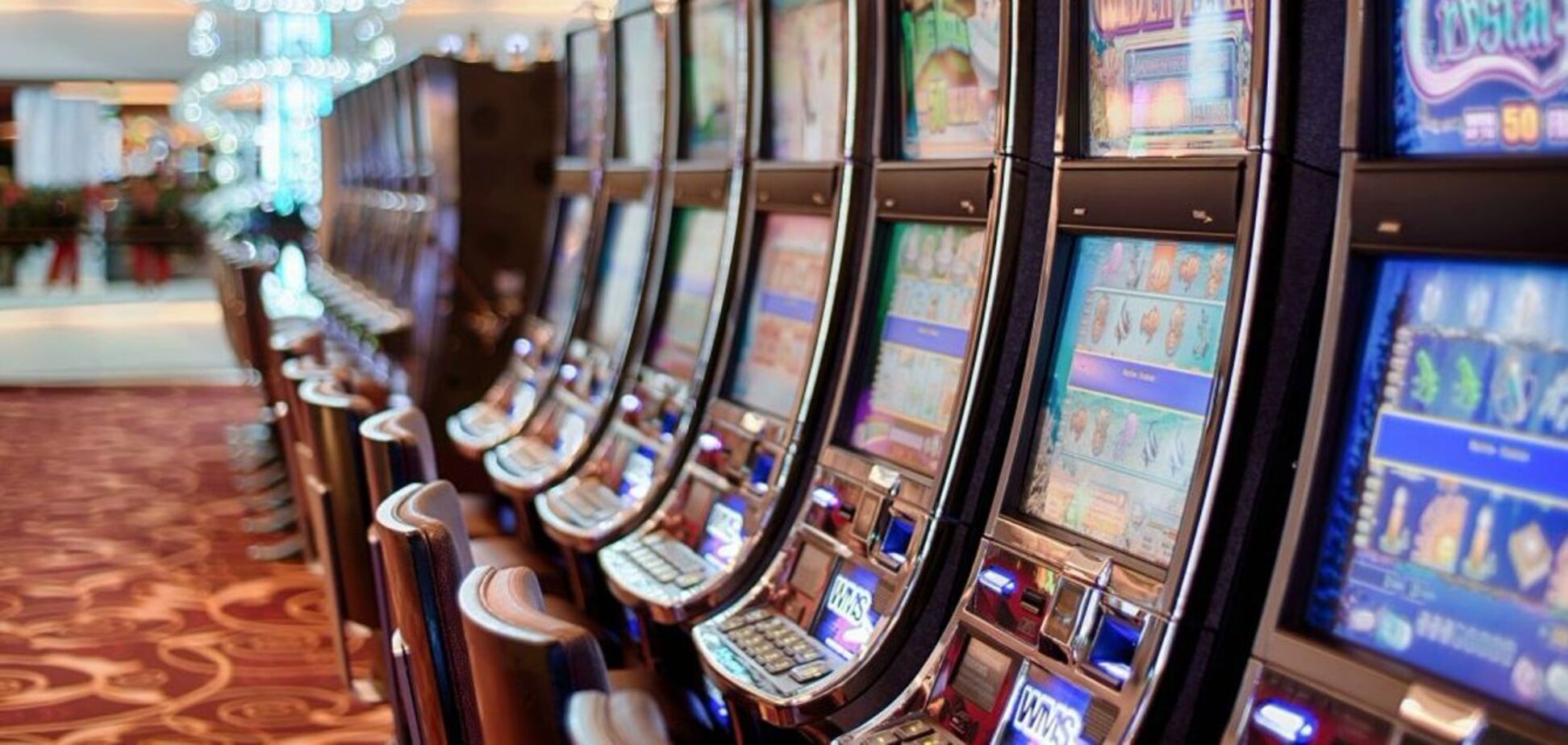
The 20th century ushered in a new era for casinos, marked by rapid innovations in gaming technology and design. The introduction of slot machines in the early 1900s revolutionized the gambling landscape, making it accessible to a broader audience. With their bright lights and enticing sounds, these machines quickly became a staple in casinos, contributing to the growth of the industry and changing the way people interacted with games.
As casinos evolved, so did the variety of games offered. From classic table games like poker and blackjack to modern variations and electronic gaming, the diversification of offerings attracted a wider demographic. Casinos also began to incorporate entertainment venues, restaurants, and luxury accommodations, turning them into comprehensive leisure destinations rather than mere gambling houses.
The digital age further transformed the gaming industry with the advent of online casinos. By leveraging technology, operators could offer virtual gaming experiences that replicate the casino atmosphere from the comfort of home. This innovation not only expanded the reach of gaming culture but also introduced new forms of gameplay, including live dealer games, which maintain a social interaction aspect reminiscent of traditional casinos.
The Cultural Significance of Casinos
Casinos have come to symbolize more than just gambling; they represent a cultural phenomenon that attracts millions worldwide. Beyond the thrill of chance, casinos serve as venues for socialization, entertainment, and even community events. This multifaceted role underscores the deep-rooted connection between gaming and social interaction, showcasing how casinos can foster relationships and create shared experiences among patrons.
The cultural significance of casinos is also evident in their portrayal in media and popular culture. Films, books, and television shows often romanticize the allure of gambling, further embedding casinos into the fabric of modern storytelling. This depiction has helped shape perceptions of casinos as glamorous and exciting places, drawing in both seasoned gamblers and curious newcomers.
Additionally, casinos have become major economic drivers in many regions. They generate jobs, attract tourism, and contribute to local and state revenues through taxes. This economic impact has further solidified their place in society, as communities recognize the benefits of hosting large-scale gaming establishments. The interplay between cultural acceptance and economic significance reflects the enduring legacy of casinos throughout history.
Exploring Online Gaming with DCA News
As the gaming landscape continues to evolve, DCA News stands at the forefront of the online casino revolution. With a focus on providing comprehensive reviews and insights into the best new online casinos in Canada, DCA News helps players navigate the ever-changing digital gaming environment. The site’s expert team rigorously tests and evaluates each casino, ensuring that only licensed and high-quality platforms are recommended.
DCA News not only offers detailed reviews of online casinos but also provides valuable information on enticing bonuses, payment methods, and mobile gaming options. This commitment to quality ensures that players can make informed choices and enjoy their online gaming experiences to the fullest. By staying up-to-date with the latest trends and developments, DCA News empowers players to engage responsibly and intelligently in the online gaming world.
In conclusion, the evolution of casinos reflects a rich history intertwined with cultural, social, and economic factors. From ancient games of chance to the modern digital landscape, the journey of gaming culture continues to captivate and inspire. With DCA News guiding players through this dynamic landscape, the future of gaming looks promising for both seasoned enthusiasts and newcomers alike.
Commentaires récents